
As organizations approach the upcoming year of 2026, being digital and ERP ready is no longer optional but mandatory. Enterprise Resource Planning solutions are soon to become the spine of doing business efficiently and growing with scalability. As organizations utilizing Odoo ERP solutions and looking to implement them in their organizational setups, the upcoming year 2026 proves to be the best time to rethink and refocus their comprehensive ERP solutions to meet their long-term goals and objectives.
Why 2026 Demands a Smarter ERP Strategy?
The business landscape is evolving rapidly with automation, AI assisted workflows, and cloud first operations. Those organizations that consider ERP as a living system rather than merely an implementation are more effective in adapting to the changes.
How Cloud ERP Trends Are Shaping 2026
Flexibility emerges as one of the most significant Cloud ERP trends in 2026. Odoo Cloud ERP solutions are designed in such a way that scaling the number of users or modules is made easy, and this reduces the costs associated with the budget planning for next year. These solutions also provide greater ease of access, security updates, and improved system functionality, which are extremely important in a remote work environment.
Integration of ERP Objectives with Business Growth
ERP must directly contribute to revenue enhancement, operational effiency and customer experience. Instead of adopting all the functionalities at one time, business organizations must concentrate on the modules of business growth related to Sales, Inventory Management, Accounting Management, and Manufacturing modules of Odoo ERP. There must be a proper ERP selection guide 2026 mentality that fulfills the business objective with each new addition of modules.
Checklist of Year-End ERP Preparedness for Businesses
A structured assessment of your ERP solution before entering the new year can help identify deficiencies as well as areas where your solution needs to improve.
Carrying out an ERP Health Check
A year-end review should include performance, accuracy of data, integration, and end-user satisfaction. Utilizing techniques for year-end ERP readiness, such as analyzing work flows and testing unused functionality and reports, could help ensure that problems do not linger into 2026. The modularity of Odoo solutions offers improvements for modifying business processes that don’t affect business as usual activities.
Success Checklist: ERP in 2026
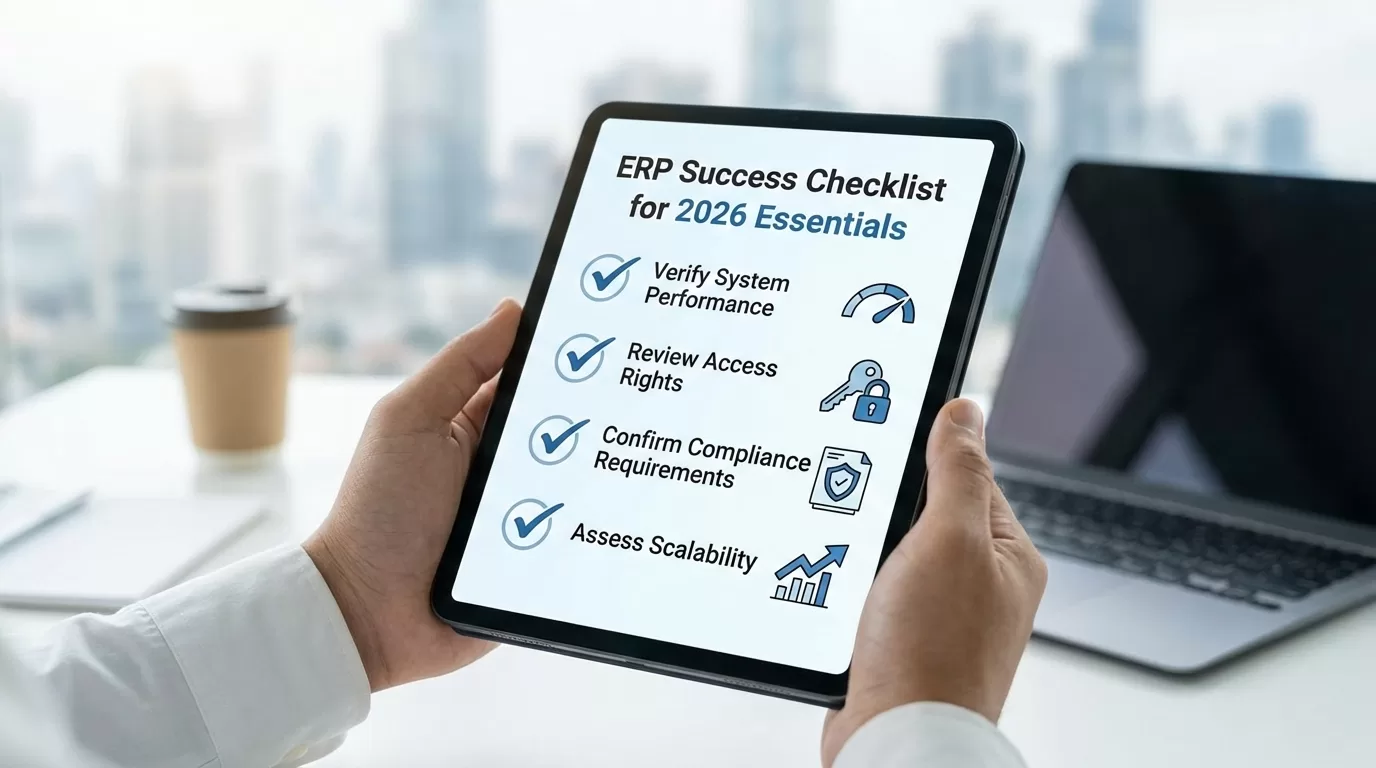
A checklist for an effective ERP system in 2026 should include system functionality verification, access rights analysis, analysis of compliance obligations, and scalability analysis. This will make sure your ERP system serves as an enabler for future business processes, not a hindrance to them.
Strengthening ERP Implementation and Governance
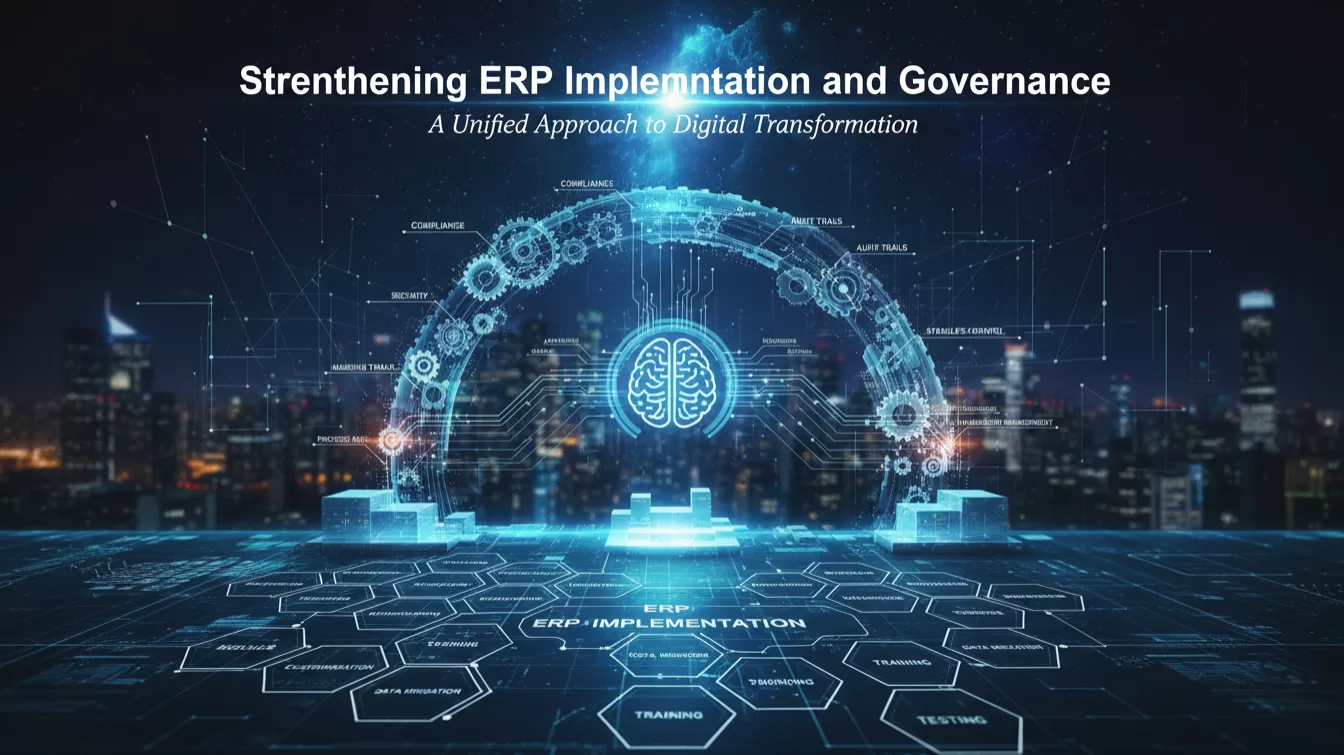
It is necessary that a proper foundation is established in the case of a successful ERP initiative, and all the more when it comes to upgrading or expanding systems.
Best Practices for the Implementation of ERP Systems
Experienced users of Odoo can also find improved outcomes by looking back at ERP implementation methodologies. These include requirements definition, stakeholders’ engagement, and less customization. Smaller changes add up and can give even better results than innovations.
ERP Projects and Risk Management through Governance and Planning
Governance of the ERP projects and planning play a crucial role in ensuring control over timelines, budgets, and quality. Formation of a structure of decision makers in projects and respective technical leads of projects enables accountability. This will also help in managing change in ERP projects to a certain extent.
Data, Integration, and Compliance Preparation
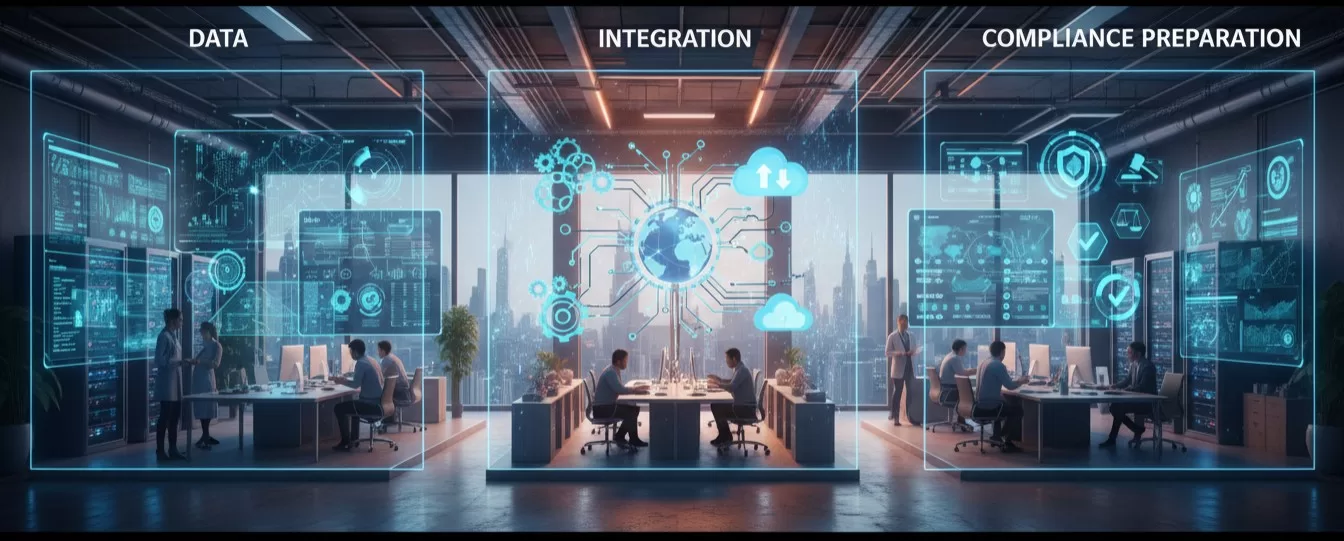
Data and integrations are the engines of an effective ERP system, and a lack of preparation in this area will typically result in a system operating in an ineffective manner.
Data Migration and Cleansing Strategies
Reliable reporting begins with precise data. Implementing data migration techniques like the elimination of duplicates, data verification in master files, and data format unification is a crucial part of preparation for a new year. These activities can be managed with the help of Odoo’s data import functions.
ERP System Integration Best Practices in Different Departments
The best practices for ensuring the integration of ERP enable a seamless flow of information regarding sales, finances, inventories, and personnel. The use of Odoo modules eliminates errors and reduces work when different modules are integrated. An analysis of third-party integration, for instance, payment solutions or logistics, will ensure continuity of operations in 2026.
ERP Functionalities Related to ERP System Implementation
As governments continue to develop regulations, there is an increased emphasis on ERP compliance and risk management. It is important for a business to check tax regulations, audit trail features, and access restrictions available in Odoo.
Encouraging User Adoption and ERP System Value
To realize its benefits, technology must be embraced and used properly by its users.
User Acceptance and Training in an ERP Environment
ERP user adoption and training should be continued and not end with “go live.” This includes training sessions, role-based dashboards, and proper documentation that help people work effectively with Odoo. Involvement and participation by users are highly needed for optimizations within the system as well as for finding new improvements by users themselves.
Post-Implementation ERP Optimization and Performance Monitoring
The post-implementation optimization of ERP systems concentrates on the process of continuous enhancement. ERP system performances are monitored through key performance indicators, use rates, and process efficiency rates for post-implementation monitoring. The reporting and analysis tools and functionalities of Odoo enable managers to monitor the performances and make adjustments accordingly. Planning for your ERP system in 2026 will also involve more than technology. This will be a high-level organizational decision with implications for growth and competitiveness. Using best practices from Odoo ERP system implementation and emphasizing user adoption will enable organizations to leverage their Odoo system to drive growth and not merely a piece of technology used within organizations.
If you want an expert advice regarding your current implementation of Odoo or for your ERP strategy for the year 2026, then avail a consultation session with our Experts today and kick start your new year with an implementation for success.